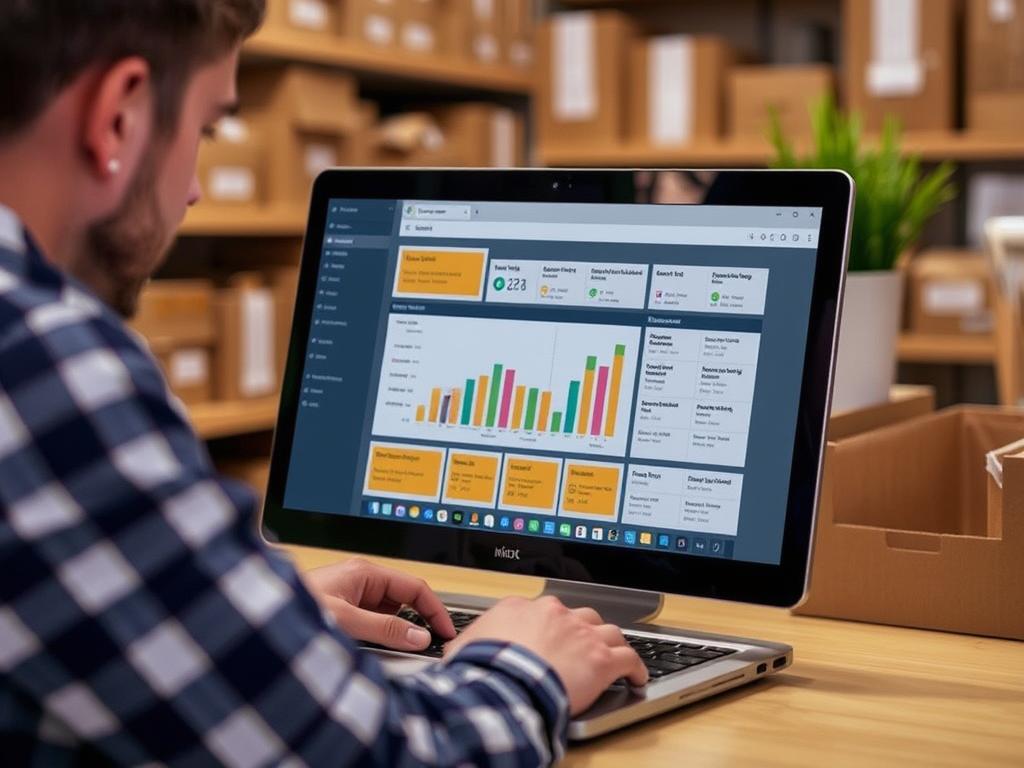
What if your memory isn’t enough to prove what you owned after a disaster strikes? When fire, flood, or theft destroys your property, could you accurately recall every valuable item for your insurance claim?
Many property owners rely on mental lists or scattered documents. This approach often leads to significant financial losses during insurance settlements. Proper documentation becomes critical when facing total loss scenarios.
Modern solutions have transformed how we protect our assets. Simple spreadsheets have evolved into sophisticated platforms with barcode scanning, photo documentation, and cloud-based access. These tools ensure your property records remain secure and accessible from anywhere.
According to recent analysis, security-focused systems with document storage and asset tracking are becoming essential. They provide financial oversight and investment protection for today’s property owners. The right inventory management approach can mean the difference between full compensation and devastating loss.
This guide explores leading management software options designed for 2026. We’ll examine features that genuinely protect your financial interests when documenting home contents. Understanding which solution matches your needs helps safeguard your most valuable asset—your property and everything within it.
Introduction: Why a Home Inventory Matters
The moment disaster renders your property unrecognizable, documentation becomes your most valuable asset. Most households contain between $50,000 and $100,000 worth of belongings that could vanish in seconds during fires, floods, or burglaries.
Without a complete contents list, insurance claims become difficult to substantiate. Homeowners must rely on memory during stressful times, often resulting in thousands of dollars in unreimbursed losses. The urgent question remains: could you prove everything you owned if disaster struck tomorrow?
Modern inventory management solutions have transformed this process dramatically. They allow property owners to catalog possessions in hours rather than days using smartphone cameras and barcode scanners.
Creating a comprehensive record isn’t just about organization—it’s financial protection. Proper inventory management ensures full recovery from disasters rather than facing devastating out-of-pocket expenses. This proactive approach represents essential risk management every property owner should prioritize before catastrophe occurs.
Understanding the Importance of a Complete Home Contents List
When you need to prove ownership after a catastrophic event, a detailed property record becomes your financial lifeline. This documentation provides concrete evidence of purchase dates, values, and conditions for insurance claims.
Insurance adjusters require substantial proof to approve settlements. Without photos, receipts, and serial numbers, most claimants receive only 40-60% of their actual losses. Proper inventory management ensures you get full compensation.
This documentation extends beyond disaster preparation. It supports estate planning, divorce proceedings, and tax documentation for valuable items. Effective inventory control serves multiple financial purposes throughout life.
The psychological burden of recalling possessions during trauma makes pre-disaster documentation essential. Maintaining accurate inventory levels also ensures adequate insurance coverage for high-value items. Regular updates keep your records current and reliable.
The Impact of Disasters on Home Insurance Claims
The aftermath of a devastating event reveals the true value of having organized property records. Insurance companies face overwhelming claim volumes during regional catastrophes like hurricanes or wildfires.
Homeowners must provide detailed documentation while coping with displacement and emotional trauma. This creates immense pressure during an already stressful recovery period.
Research shows most people recall only 30-40% of their possessions from memory after major losses. This memory gap leads to significant financial shortfalls when rebuilding lives.
Claims with complete photographic evidence and receipts settle 60-80% faster than those relying on estimates. They also receive 25-40% higher settlement amounts from insurance providers.
Natural disasters often destroy physical records stored within properties. Cloud-based inventory management systems become essential for recovery when paper documents are lost.
The financial stress of inadequate settlements can create long-term hardship for families. Proper inventory management ensures full compensation rather than devastating out-of-pocket expenses.
Understanding these disaster impacts makes proactive documentation essential financial protection. Every property owner should implement thorough record-keeping before catastrophe occurs.
How HomeContentsListPro Safeguards Your Home Inventory
Modern digital solutions offer property owners unprecedented protection for their valuable belongings through organized record-keeping. HomeContentsListPro provides a specialized platform designed specifically for residential documentation needs.
This contents inventory software eliminates the complexity found in commercial systems. It focuses on user-friendly features that simplify the documentation process for everyday possessions.
The platform’s key features include intuitive photo uploads and automatic categorization. Users can attach receipts, record serial numbers, and estimate current values effortlessly.
Secure cloud storage ensures your complete property records remain accessible even if physical devices are destroyed. This allows immediate insurance claim filing from any internet-connected device.
The system enables you to track inventory by room, category, or custom groupings. This logical organization helps ensure nothing gets overlooked during documentation.
HomeContentsListPro generates reports formatted specifically for insurance requirements. This eliminates manual compilation during stressful post-disaster situations.
Visit https://homecontentslistpro.com to implement this protective solution today. These key features provide peace of mind before catastrophe strikes when documentation becomes impossible.
Key Features of Reliable Home Inventory Software
The effectiveness of any property documentation system hinges on its core functionality and reliability features. These essential capabilities determine how well the platform protects your asset records during critical moments.
Cloud-based storage represents one of the most critical key features in modern documentation systems. It ensures your records remain accessible even when physical devices suffer damage. Mobile applications with offline functionality allow continuous updates during connectivity issues.
Barcode scanning capability dramatically simplifies the documentation process. This feature automates data entry by capturing product details directly from item codes. It reduces recording time while improving accuracy across your entire catalog.
Advanced features like automatic depreciation calculators maintain current valuations without manual updates. Robust reporting generates insurance-ready documentation instantly. These tools streamline claim preparation during stressful situations.
Security measures and customizable categorization complete the essential key features suite. They protect sensitive information while adapting to your organizational preferences. Proper inventory management software integrates these capabilities seamlessly.
Best Home Inventory Software 2026
Selecting the right platform for documenting your possessions requires matching specific features to your household’s unique needs. Different systems excel in various areas from security to family collaboration.
DomiDocs provides exceptional protection for security-focused users. It features bank-level encryption and monitors your property title to prevent fraud. This inventory management software includes tools for tracking home equity alongside asset documentation.
HomeZada serves property owners managing renovations or rental units. Its comprehensive financial dashboards help track improvement costs and calculate investment returns. This represents some of the best inventory management capabilities for financial oversight.
Dwellbeing facilitates coordination among household members through shared access and task management. Families appreciate its integrated calendars and communication tools that simplify collective responsibility for property records.
HomeContentsListPro specializes in insurance claim preparation with disaster-specific documentation features. It focuses exclusively on creating thorough records for insurance purposes rather than broader property management.
Evaluation criteria should include setup simplicity, mobile access, and long-term costs. Effective stock management for residential use prioritizes user-friendly interfaces over complex business features.
Each platform offers distinct advantages depending on whether you value security, financial tracking, family collaboration, or insurance preparation. The best inventory solution aligns with your primary documentation goals.
Inventory Management Beyond Basic Listings
Advanced asset tracking systems now provide homeowners with sophisticated tools for managing possessions throughout their entire lifecycle. These platforms extend far beyond simple cataloging to include comprehensive features that protect your investments.
Modern inventory management includes automated warranty tracking and expiration alerts. This ensures you never miss critical coverage periods for appliances and electronics. The system maintains service histories and schedules routine maintenance.
Sophisticated inventory control features track item locations throughout your property. This proves invaluable for large homes with multiple storage areas. You can monitor possessions in basements, attics, and garages with precision.
For valuable collectibles and artwork, proper documentation of purchase orders establishes provenance. This significantly impacts insurance valuations and replacement coverage. The management system also calculates depreciation to maintain accurate current values.
Integration with security systems provides automatic alerts when items are moved or exposed to damaging conditions. This comprehensive approach to inventory management ensures complete asset protection beyond basic listing functionality.
User-Friendly Interfaces and Ease of Use Benefits
The design of a platform’s interface often determines whether property documentation projects succeed or fail. Research shows that systems with intuitive navigation and minimal learning curves see significantly higher adoption rates among property owners.
Complex interfaces with steep learning curves typically result in abandoned documentation efforts. The ideal solution allows users to begin recording possessions within minutes rather than requiring extensive training.
Guided setup wizards and pre-configured templates help reduce the initial learning curve. These features enable even technically inexperienced users to create comprehensive records successfully.
Streamlined data entry processes using features like batch photo uploads and voice-to-text descriptions dramatically cut documentation time. What might take weeks with manual methods can be completed in hours with efficient tools.
Mobile-first design approaches make documentation convenient by allowing room-by-room cataloging from smartphones. Consistent interfaces across devices ensure seamless switching between platforms without relearning navigation systems.
Visual organization through thumbnail galleries and color-coded categories makes managing large collections intuitive. This approach eliminates the overwhelming feeling that prevents many people from starting their documentation projects.
Integration with Accounting and Property Management Systems
Seamless integration between documentation platforms and financial systems transforms how property owners manage their asset records. This connectivity eliminates manual data transfer between different tools.
Direct connection with popular accounting software like QuickBooks automates financial tracking. Your inventory management system can sync asset values and depreciation schedules automatically. This creates accurate financial records without duplicate entry work.
Property managers benefit greatly from integrated management system functionality. They can track furnishings across multiple rental units while maintaining separate records. This helps allocate insurance coverage properly between owner and tenant possessions.
Purchase orders and acquisition records integrate with financial platforms to create audit trails. API connectivity ensures data can transfer to various tools even without direct integration. This supports tax documentation and insurance claims with verified financial records.
Scalable Solutions for Homeowners and Small Businesses
As your property portfolio expands, the need for adaptable documentation systems becomes increasingly apparent. Scalable platforms accommodate growth from single-residence tracking to managing assets across multiple properties without complex migrations.
These solutions designed for small-scale users can handle vacation homes, rental units, and storage facilities. The same system tracks items across multiple locations including primary residences and recreational vehicles.
Small business owners benefit from separating household goods from commercial equipment. Everything remains in one accessible database while maintaining clear distinctions.
Cloud-based architecture eliminates hardware upgrades when adding locations or users. This prevents IT barriers that often hinder expansion for growing portfolios.
Supply chain considerations become important when possessions are distributed. You need to track item locations, access permissions, and retrieval processes across multiple sites.
Flexible pricing models charge only for the capacity you use. This approach avoids enterprise-level costs while supporting gradual growth of your asset documentation needs.
Ensuring Accurate Asset Documentation for Insurance Claims
Insurance companies rely on verifiable evidence, making meticulous asset tracking the cornerstone of successful claim resolution. Proper documentation transforms negotiations from disputes into straightforward approvals.
Complete records must include detailed descriptions, purchase dates, values, and photographs. Serial numbers and receipt copies meet verification standards. This level of detail prevents disputes over possession verification.
Maintaining current inventory levels ensures claims reflect actual possessions. Regular updates prevent reliance on outdated records. Quarterly checks for high-value items maintain accuracy.
The ability to track inventory across multiple locations prevents oversight. Basements, attics, and storage units all require documentation. Nothing should be overlooked during comprehensive claims.
Cloud-based systems keep records accessible even when properties are destroyed. Immediate filing with supporting evidence becomes possible. Quality documentation often determines full compensation versus partial settlements.
Subscription Models and Pricing Structures
The pricing structure of modern documentation systems reflects the value they provide in safeguarding your possessions against unforeseen circumstances. Most platforms now operate on a subscription model that includes regular updates and cloud storage.
Free versions of management software typically limit item counts to around 200 possessions. This works for smaller living spaces but falls short for family homes with extensive belongings. Paid plans offer unlimited recording capacity and additional features.
Mid-range subscriptions cost between $10 and $25 monthly. They include mobile access and receipt attachment capabilities. The subscription model ensures continuous security improvements and technical support.
Annual payment options provide significant savings over monthly billing. This approach reduces long-term costs for committed users. Premium management software tiers accommodate multiple properties and high-value collections.
Considering total value beyond monthly fees is essential. The protection these systems offer can prevent substantial financial losses. This makes the investment in quality documentation tools worthwhile for property owners.
Customer Support and Training Resources
Access to reliable guidance separates effective asset tracking systems from those that frustrate users. Quality customer support becomes essential when technical issues arise or when generating insurance reports under pressure.
Leading platforms provide multiple assistance channels including email, live chat, and phone support. Comprehensive knowledge bases address common questions while video tutorials demonstrate best practices.
Response times vary significantly between providers. Premium services often guarantee replies within 24 hours, while budget options may take several days. This difference matters during urgent situations.
Community forums offer valuable peer-to-peer customer support where users share organizational strategies. These communities enhance the value of your inventory management software beyond official documentation.
Onboarding assistance helps ensure successful implementation rather than abandoned projects. Migration support from spreadsheets and personalized setup guidance make the transition smoother.
Emergency support availability proves crucial during disasters when immediate technical assistance is needed. Training resources like webinars and guides help maximize your investment in inventory management software.
Expert Reviews and Product Roundup Analysis
Independent analysis of property tracking tools reveals significant differences in how effectively various platforms prepare users for insurance claims. Professional evaluations consistently identify security measures, user-friendly interfaces, and insurance-claim readiness as the three most critical factors distinguishing superior systems.
Today’s leading solutions have evolved beyond basic listing functions into comprehensive asset management platforms. They integrate financial tracking, maintenance scheduling, and secure document storage capabilities. This transformation represents a significant advancement in household documentation technology.
Comparative testing demonstrates that mobile applications with barcode scanning functionality enable documentation three to four times faster than manual entry methods. This efficiency proves crucial for complete household cataloging. The best inventory management tools leverage these technical advantages.
Expert analysis highlights DomiDocs for security-conscious users, HomeZada for financial tracking, and HomeContentsListPro for specialized insurance documentation. These platforms exemplify how robust reporting capabilities provide maximum value during stressful claim situations. Proper inventory management software should generate insurance-ready reports automatically.
User satisfaction studies show completion rates of 75-85% for highly-rated systems versus 30-40% for alternatives. Many property owners initially choose budget options but later upgrade to more capable platforms. Cloud-based systems with bank-level encryption offer superior protection compared to local storage methods.
Future Trends in Home Inventory Technology
The next generation of asset tracking systems will transform documentation from a chore into an automated process. Emerging technologies promise to revolutionize how we manage possessions with unprecedented efficiency.
Artificial intelligence will soon identify items from photos automatically. This advanced feature extracts specifications and estimates values without manual entry. Documentation time could drop by 80-90% with these innovations.
Blockchain technology provides tamper-proof ownership verification. Insurance companies can trust timestamped records implicitly. Smart home integration enables connected devices to self-report their status.
Augmented reality scanning creates 3D maps of room contents in minutes. Machine learning suggests commonly overlooked items for more complete records. These developments represent significant progress in inventory management.
Direct API connections to insurers enable automated claim filing. Supply chain integration offers recall notifications and warranty alerts. Voice-activated updates through digital assistants make logging effortless.
These advanced features will create smarter supply chain connections for asset protection. The future of inventory management looks increasingly automated and comprehensive.
Conclusion
Taking proactive steps to safeguard your assets today can prevent devastating financial losses tomorrow when unforeseen events occur. Proper inventory management delivers exceptional value for the minimal time investment required.
Modern management software eliminates traditional barriers with user-friendly interfaces and mobile accessibility. These tools make comprehensive documentation achievable for everyone, not just organized professionals.
Don’t risk losing thousands by relying on memory alone. Implement reliable inventory software like HomeContentsListPro at https://homecontentslistpro.com. This small investment provides immediate protection for your valuable possessions and peace of mind.