What would happen if you lost everything in a fire or natural disaster tomorrow? Could you accurately list every possession and its value for your insurance claim?
Most property owners discover they’re dangerously unprepared only after tragedy strikes. Insurance companies demand detailed documentation of lost items, but memory alone cannot recreate a complete household contents list.
Traditional pen-and-paper methods often fail when people need them most. Modern digital systems have revolutionized how we protect our financial interests. These solutions capture proof of purchase, current values, and ownership details instantly.
According to industry practices, comprehensive documentation is essential for adequate coverage. Many discover they’re underinsured after experiencing loss, when it’s too late to recover full value.
This guide explores how technology transforms protection for homeowners, renters, and collectors. We’ll examine why accurate records matter and how digital tracking ensures smoother claims processing.
Introduction
Many property owners live with a hidden financial risk: the inability to prove the value of their belongings after a catastrophe. Years of accumulating possessions often pass without a systematic record. This lack of documentation becomes a critical problem when filing an insurance claim.
Companies require detailed proof of ownership and value. Unprepared individuals struggle to remember every item from memory alone. This can lead to an incomplete recovery or even a denied claim.
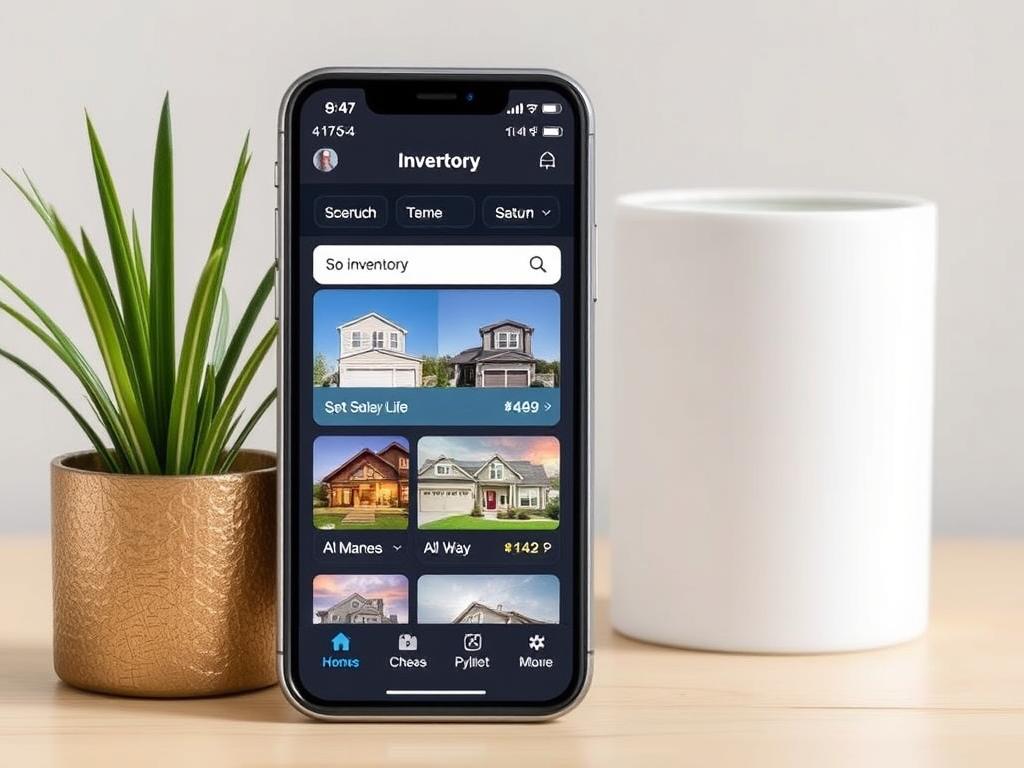
Fortunately, mobile technology has revolutionized this process. Creating a home inventory is no longer a daunting, manual task. Smartphone applications make it efficient to capture information about your property.
These modern solutions allow you to photograph items and scan barcodes for automatic data entry. Some users document entire rooms in minutes. This transforms a time-consuming chore into a manageable project.
Starting this record now protects your financial interests before disaster strikes. This guide will help you understand the essential features and techniques for success.
The Importance of a Complete Home Contents List for Insurance Claims
After a wildfire consumed his cabin, one individual faced the impossible task of listing every lost item from memory for his insurance provider. The company required a detailed property list before paying the contents portion of the policy. This struggle highlights a critical vulnerability for many property owners.
If disaster struck tomorrow, would your insurance company fully compensate you for all your belongings? Insurers demand documented proof of ownership, purchase prices, and current replacement values. Claims adjusters cannot authorize payments based on memory alone.
Many discover they are underinsured only after experiencing a loss. Policies have complex coverage limits for different categories of items. Without a detailed record, you may not realize the gap in your coverage until it is too late.
Creating this list is about financial protection, not just organization. Photos, receipts, and serial numbers dramatically strengthen your claim. This evidence leads to faster, more complete settlements.
You can protect your financial interests now. A comprehensive digital system like homecontentslistpro.com allows you to document everything before a catastrophe. This ensures you can recover the full value of your property.
Benefits of a home inventory app with receipt uploads
The ability to instantly capture and store purchase verification transforms the traditional approach to property documentation. Digital systems eliminate paper clutter while creating comprehensive records insurers accept.
Scanning receipts provides indisputable proof of purchase that claims adjusters require. This feature automatically captures critical details like purchase dates, prices, and retailer information. Manual data entry becomes unnecessary, saving significant time.
High-resolution photos help track item condition and appearance over time. Visual documentation assists with identification during insurance claims. It provides evidence of pre-damage condition that strengthens your case.
Barcode scanning automatically fills in product details from online databases. This feature captures serial numbers, manufacturer data, and current market values. Combined with receipt attachment, it creates complete documentation quickly.
Centralized storage keeps all information accessible across multiple devices. Cloud-based systems ensure data backup if a single device is damaged. Having warranties and receipts digitally stored makes retrieval easy for repairs or claims.
Creating and Maintaining a Comprehensive Home Contents List
Building a detailed record of your belongings is simpler than you might think. The key is to break the project into small, manageable steps.
Start by focusing on one area at a time. This room-by-room method prevents feeling overwhelmed. Completely document all possessions in a single space before moving to the next.
Use your digital tool’s features for speed. Voice commands can capture an entire area in minutes. You can also take a quick video walkthrough as a visual foundation for your list.
Organize your entries logically. Create digital spaces that match your property’s layout. Assign items to specific categories and locations for easy tracking later.
Update your records regularly. Add new acquisitions and remove old stuff promptly. This maintenance takes little time but keeps your documentation accurate and reliable.
Begin this vital process today with your most valuable items. Consistent effort builds comprehensive coverage, ensuring you are prepared.
Top Features to Look for in Home Inventory Apps
Choosing the right digital tool for documenting your possessions requires understanding which features provide genuine value. Superior systems transform a tedious task into an efficient process.
Barcode scanning stands out as a critical time-saver. This function automatically populates product details when you scan product codes. It captures serial numbers and manufacturer information instantly.
Document attachment capabilities let you store proof of purchase and warranty details directly with each entry. This creates comprehensive records that strengthen insurance claims.
Multiple photo and video attachments provide visual evidence of item condition. High-resolution images help with identification during the claims process. They offer clear proof of pre-damage state.
Cloud synchronization ensures your data remains safe and accessible across devices. Export options generate professional reports showing total value by category. These summaries work perfectly for insurance documentation.
Custom categories and tags allow logical organization matching your space layout. Multi-user access enables family collaboration on the same record. Intuitive interfaces encourage consistent use rather than abandonment.
Focus on these essential capabilities when selecting your documentation solution. The right combination of features makes maintaining accurate records straightforward and sustainable.
Comparison of Leading Home Inventory Solutions
Various digital platforms offer distinct approaches to managing household possessions. Each solution provides unique advantages for different user scenarios and documentation needs.
Itemtopia stands out by tracking not just belongings but also home services and family records. This makes it ideal for comprehensive household management beyond basic cataloging.
The NAIC Home Inventory application focuses specifically on insurance claims preparation. It includes expert tips for filing claims, though some users find the interface less intuitive than competitors.
Sortly serves as a professional-grade option with barcode generation and business integration features. Many customers report significant productivity improvements using this system.
Under My Roof offers sophisticated capabilities like voice-activated entry and 3D room scanning. It maintains data privacy through personal cloud storage rather than third-party servers.
Pricing models range from completely free options to subscription-based services. Several solutions provide free trial periods for testing advanced features before commitment.
Matching the right platform depends on individual requirements. Basic needs may suit free versions, while valuable collections often benefit from paid solutions with enhanced tracking capabilities.
Tips for Organizing, Scanning Receipts, and Tracking Purchases
Efficiently documenting your possessions requires smart strategies that save time and effort. Begin by tackling one space at a time rather than jumping between areas. This room-by-room method ensures you capture every belonging systematically.
Handle purchase verification immediately after acquiring new things. Scan or photograph paper slips before they fade or get misplaced. Create a specific spot for storing these documents until you process them digitally.
Use barcode scanning when items first enter your property. This automatically populates product details and saves manual data entry. Attach digital confirmations for online orders directly to your records.
Group similar objects together for photo documentation. Capture shelves of books or collections of clothing in single images. Ensure pictures show enough detail for identification purposes.
Organize your digital list using the same structure as your physical space. Create categories that mirror actual locations. This makes finding specific entries intuitive later.
Establish a monthly routine for updating your documentation. Add recent acquisitions and remove disposed stuff during this scheduled time. Involve household members by granting them access to contribute their own purchases.
Enhancing Home Insurance Preparedness with a Digital Inventory
Proper insurance coverage depends on accurate documentation of your possessions. A complete digital record transforms uncertainty into security. It provides the proof needed for adequate protection.
Many discover they are underinsured only after a loss occurs. Advanced systems include features that analyze your total property value against policy limits. This helps identify coverage gaps before a disaster strikes.
Detailed information leads to fair and timely claim settlements. Adjusters can process requests much faster with comprehensive reports. They receive photos, purchase dates, and values instead of memory-based estimates.
Some platforms track the entire claims process. They manage damages, expenses, and contacts from start to finish. You can instantly share your complete list with agents for review.
Regular updates ensure your coverage keeps pace with new acquisitions. This preparation is critical and must happen before any incident. A digital system safeguards your financial interests effectively.
Conclusion
The single most important document for your insurance claim doesn’t exist until you create it. Modern solutions make this process incredibly simple. Features like barcode scanning and photo documentation save significant time.
Comprehensive tracking of your belongings is essential financial protection. It ensures faster claims and adequate coverage verification. This preparation provides peace of mind, knowing your information is secure.
You must complete this task before any disaster occurs. Attempting to list your stuff from memory after a loss is nearly impossible. This often leads to inadequate settlements.
If you lost your house tomorrow, would your insurance company pay for all your property? Without a complete list, the answer is likely no. Do not risk losing everything.
Visit https://homecontentslistpro.com today. Start protecting your financial interests now, before it is too late. Even documenting one room provides immediate value.