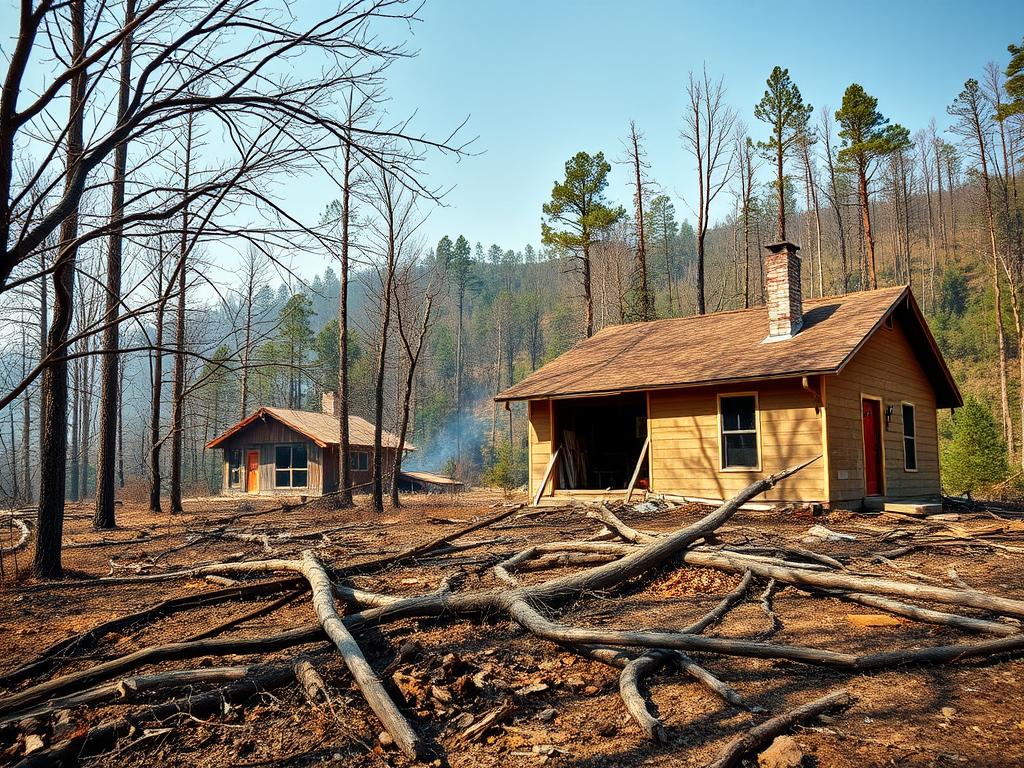
What if you lost everything in a fire tomorrow, but your insurance only covered a fraction of your belongings?
The threat from destructive blazes is real and escalating. California saw over 8,000 fires burn a million acres in 2024. The 2025 season is already severe, with nearly 520,180 acres burned by mid-September, including major Los Angeles area fires.
While protecting your physical residence is vital, safeguarding your financial future is just as critical. Many property owners face devastating financial damage because they cannot prove what they owned after a disaster.
This guide provides the essential steps to create a thorough contents list. Proper documentation ensures you can recover fully from your insurance company if fires strike.
Understanding the Importance of a Complete Home Inventory
The gap between what you own and what you can prove to insurers can be financially devastating. If your residence were destroyed tomorrow, could your insurance company compensate you for all your property?
Most people significantly underestimate their possessions’ value and quantity. After total loss, memory fails when filing claims. This results in settlements covering only a fraction of actual losses.
Insurance providers require solid proof of ownership and value for property claims. Without photos, receipts, or detailed lists, homeowners struggle for fair compensation. Inadequate documentation leads to claim delays and reduced payments.
The financial impact extends beyond physical damage. Families often receive thousands less than entitled because they cannot prove what was destroyed. This compounds the emotional trauma of fire damage.
Visit https://homecontentslistpro.com to create your comprehensive documentation now. Proper preparation ensures your inventory withstands insurance company scrutiny. Don’t risk financial ruin after wildfire losses.
Identifying Risks During Wildfire Season
Understanding the specific dangers your dwelling faces from surrounding environmental conditions guides your protection strategy. Assessing your individual risk level determines how urgently you need to prepare both your residence and documentation.
The traditional fire season has transformed into a nearly year-round concern. California’s peak danger period shifted from August to July, with destructive blazes now occurring throughout much of the year.
Several factors drive increased wildfire frequency and severity. Rising temperatures, extended drought cycles, and accumulated vegetation create ideal conditions for large-scale events.
Evaluate your property’s vulnerability by considering proximity to wildland areas and local vegetation density. Also assess historical fire patterns, wind conditions, and the fire-resistance of nearby structures.
Higher-risk zones demand more thorough documentation and frequent updates. Knowing your threat level helps prioritize which items need immediate photographic evidence and special backup procedures.
Essential Steps for Creating a Home Inventory Wildfire Season
Building a thorough record of your possessions is a practical task that pays immense dividends during recovery. Follow these clear steps to document your property effectively. A systematic process ensures you capture everything of value.
Begin by walking through each room with a camera. Take photos from multiple angles. Capture wide shots of the entire space and close-ups of individual items like electronics and furniture.
Next, open all closets, drawers, and cabinets. Photograph the contents inside. These hidden areas often contain valuable belongings that are easily forgotten.
For appliances and electronics, take pictures of serial and model numbers. This specific information is crucial for establishing value with your insurance provider. It strengthens your claim significantly.
Create a corresponding list for your photographs. Note purchase dates, prices, and current values. Include receipts for high-value property whenever possible.
Remember to document outdoor areas. Photograph landscaping, furniture, and items in sheds or garages. These represent substantial value that is frequently overlooked.
Update your records annually to reflect new purchases. The entire preparation doesn’t need to be done in one day. Work through your dwelling over several sessions to make sure it’s thorough.
Tools like homecontentslistpro.com can streamline these steps. They offer organized templates and secure storage, making the process more efficient.
Documenting Your Belongings for Insurance Claims
The documentation you create today becomes your most powerful tool when filing an insurance claim after a disaster. Insurance providers require solid evidence to process claims for property losses. Your ability to prove ownership and value directly impacts your financial recovery.
Gather multiple types of proof for your belongings. Photographs and videos provide visual evidence of your items. Keep receipts, credit card statements, and appraisals for valuable property. Detailed lists with descriptions and estimated values strengthen your case significantly.
Organize your documentation systematically for easy access during the claims process. Categorize items by room and create separate sections for high-value possessions. Maintain both digital and physical copies of your important documents.
Store backup copies securely off-site or in cloud storage. This ensures access even if originals are destroyed. Remember to document your important documents themselves, including insurance policies and identification records.
Contact your insurance company immediately after fire damage occurs. Document all visible damage with extensive photos once safe to access the property. Keep receipts for temporary housing and avoid permanent repairs until assessment completes.
Never accept the first settlement offer without careful review. Understand whether your policy provides actual cash value or replacement cost coverage. Proper pre-disaster documentation dramatically speeds up the claims process and results in fairer settlements.
Utilizing Technology for Home Inventory Management
Modern technology offers powerful tools to simplify and secure the task of cataloging your belongings. Dedicated applications provide structured templates that guide you through the entire process.
These platforms ensure you capture all necessary information for insurance purposes. They help you avoid overlooking valuable items.
Cloud-based storage is a critical advantage. It allows access from any location, even if your physical residence is damaged.
Automatic backups prevent the loss of your vital documentation. You can share information instantly with your insurance company during a claim.
Features like searchable databases and barcode scanning enable superior organization. They help you understand the total worth of your property quickly.
It is essential to create digital copies of your important documents. Scan insurance policies, identification, and property deeds.
Store these digital files in secure cloud services separate from physical copies. This provides a robust safety net.
Smartphone technology makes this process highly accessible. Your phone’s camera is perfect for capturing detailed photos and videos of your items.
Set annual reminders using technology to update your records. Make sure new purchases are added and old items are removed.
Choose a reliable platform and maintain regular updates. Ensure your backup systems are truly independent for maximum protection.
Preparing Your Home for Wildfire Damage and Prevention
While proper documentation ensures financial recovery after a disaster, actively protecting your dwelling from ignition provides the first line of defense. The most effective strategy combines thorough record-keeping with physical measures that reduce risks around your structures.
The concept of defensible space is central to this preparation. This is the buffer you create between your property and wildland areas that can fuel a fire. Since most ignitions are caused by flying embers, not direct flames, ember prevention is the top priority.
Establish three critical zones around your property. Zone 1, within five feet of structures, requires non-flammable ground cover like gravel. Clear all plant debris from roofs and gutters. Maintain a ten-foot clearance between vegetation and chimney outlets.
Zone 2 extends from five to thirty feet out. Here, eliminate dried vegetation and prune tree canopies to prevent branches from touching. Remove lower tree branches up to six feet high. Space plants to create gaps that interrupt fire progression.
Zone 3 covers thirty to one hundred feet. Mow grasses to four inches or shorter. Create spacing between trees and shrubs, with more space needed on steeper slopes. Establish ten-foot clearance around stored wood piles.
Choose vegetation wisely around your property. Fire-resistant plants like lavender and sage contain more moisture. Avoid highly flammable species such as junipers and pine trees.
Upgrade your structures with fire-resistant materials. Class A-rated roofing resists ember penetration. Install ember-resistant vents and multi-pane tempered glass windows. Replace wood siding with stucco or fiber cement.
Creating defensible space is an ongoing task. Regular maintenance throughout the year is essential, especially before and during the fire season, to ensure these protective measures remain effective.
Integrating Home Inventory and Wildfire Prevention Strategies
Your most robust defense against destructive blazes combines physical safeguards with meticulous record-keeping. These two approaches work together to protect your assets from both initial damage and potential financial loss.
Thorough documentation serves a dual purpose. The same photos that catalog your belongings also capture the pre-fire state of your structures. This visual proof becomes essential evidence for insurance claims.
Always document any fire-resistant upgrades. Photograph new roofing, ember-resistant vents, and cleared defensible space zones. Keep receipts and contractor details for this work.
This documentation can lead to insurance benefits. Providers may offer premium discounts for properties with verified prevention measures. It demonstrates proactive risk management.
Schedule annual updates to coincide with your seasonal preparation. Refresh your records and photographs before the peak danger period arrives. This habit ensures your documentation stays current.
This integrated strategy offers complete protection. Physical measures reduce the likelihood of damage. Detailed records guarantee financial recovery if a fire occurs.
This dual approach provides significant peace of mind. You know you have taken every reasonable step to protect your property and your financial future.
Additional Tips to Protect Your Property During Wildfire Season
Beyond creating defensible space and documenting belongings, several practical measures can significantly reduce your property’s vulnerability to fire damage. These steps address common ignition points and ensure you are prepared for emergency situations.
Store flammable materials like firewood and propane tanks at least 30 feet from structures. Keep them elevated off the ground and clear of vegetation. This prevents these items from becoming fuel sources during a fire event.
Water access is critical for emergency response. Install outdoor spigots in strategic locations. Maintain hoses long enough to reach all areas of your property, including rooflines.
Prevent embers from entering your structure. Install fine mesh screens on vents to block burning debris. Regularly clean gutters and roofs where embers can accumulate and ignite materials.
Create a detailed emergency plan with at least two evacuation routes. Practice this plan with your family. Keep important phone numbers programmed into your phone for quick access.
Assemble a 72-hour emergency kit. Include water, non-perishable food, medications, and N95 masks for smoke protection. Store cash and identification in fireproof containers.
Exterior sprinkler systems can offer supplementary protection. Remember they may fail during power outages. Do not rely on them as your primary defense.
Maintain these protective measures throughout the year. Monitor local weather conditions, especially during periods of high temperatures and wind. Stay connected to local emergency assistance resources.
Conclusion
As wildfire statistics reveal increasingly devastating impacts, comprehensive preparation becomes essential for property owners. The dual approach of thorough documentation and physical safeguards provides complete protection against potential losses.
Recent data shows the escalating threat, with thousands of structures destroyed and billions in economic damage. These statistics demonstrate that destructive blazes affect real people and property every year.
Immediate action steps include creating defensible space, upgrading to fire-resistant materials, and developing emergency plans. Proper vegetation management and water access around your dwelling are critical preventive measures.
Return to the fundamental question: If disaster strikes tomorrow, will your insurance company pay for all your property? Without complete documentation, most homeowners receive settlements far below actual losses.
Don’t risk devastating financial damage. Visit https://homecontentslistpro.com today to create thorough records that ensure full compensation. Take control of your protection now.