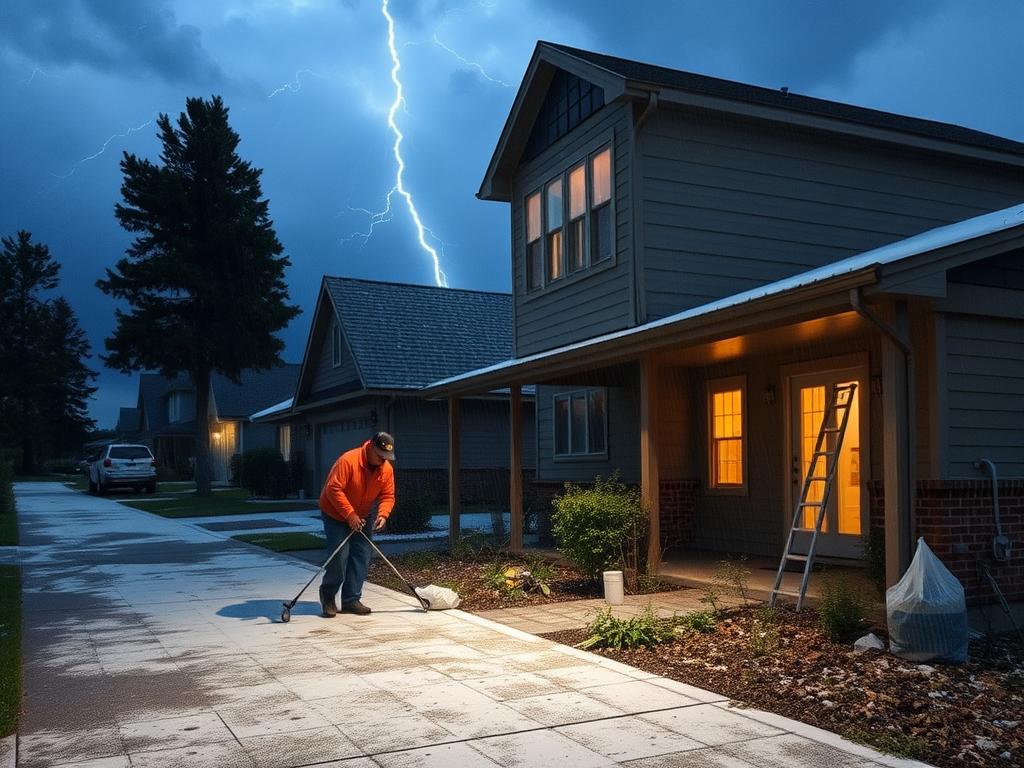
What if a violent storm destroyed your property tomorrow? Could you prove everything you owned to your insurance provider?
This unsettling question highlights a reality many property owners face. Severe weather, like the tornadoes common in spring and early summer, strikes with little warning. Being prepared with a complete list of your belongings is not just a suggestion—it’s a financial necessity.
Many people drastically underestimate the value of their possessions. After a traumatic event, recalling every item becomes incredibly difficult. Proper documentation serves as your safety net, ensuring you receive fair compensation for your losses.
Taking action now saves immense stress and potential financial hardship later. Modern tools have simplified this crucial task, making it easier than ever to protect what matters most. Don’t wait for the first warning siren; visit https://homecontentslistpro.com to secure your peace of mind today.
Understanding Tornado Season: Risks and Regional Patterns
The traditional concept of a defined tornado season has become increasingly complex as weather patterns evolve across the United States. While spring months typically see peak activity from April through June, different regions experience distinct risk periods.
Most people recognize the central plains as Tornado Alley, encompassing Texas, Oklahoma, Kansas, and Nebraska. This area’s flat terrain creates ideal conditions for twisters when warm Gulf air meets cold Canadian fronts. However, dangerous storms also frequent Dixie Alley in southeastern states and Hoosier Alley across the Midwest.
Coastal regions face additional threats during hurricane season from June through November. These powerful systems often spawn tornadoes and produce damaging winds that require similar preparedness measures.
Warning signs include dark greenish skies, large hail, and sudden calm after intense storms. The distinctive freight-train roar signals immediate danger. Climate changes may be expanding risk areas beyond historical patterns.
Understanding your specific regional risk profile directly impacts the urgency of protective measures. Property owners everywhere should assess their vulnerability rather than assuming safety based on past records.
Home Inventory Tornado Season: A Critical Step for Insurance Protection
Could you accurately recall every possession if disaster struck without warning? Insurance companies demand detailed proof of ownership and value for property claims. Without proper documentation, adjusters may deny or reduce your claim regardless of actual losses.
Modern technology simplifies creating a comprehensive list. Use your smartphone to video each room, opening cabinets and closets. Narrate brand names and purchase dates while recording. This thorough approach captures everything you own.
Store your documentation securely in cloud services like iCloud or Google Drive. Keeping records only on devices in your house risks total loss if destruction occurs. Cloud storage ensures access from anywhere.
Understand your insurance policies’ limitations. Standard coverage typically excludes flood-related damage from storms. Federal disaster grants average only $5,000—far less than replacement costs.
Don’t get caught without a complete home contents list and lose it all! Get https://homecontentslistpro.com and take care of your home inventory now. This professional solution guides you through systematic documentation.
Preparing Your Home for Severe Weather
The structural integrity of your dwelling serves as the primary barrier against destructive weather forces. While you cannot prevent severe weather, strategic fortification significantly reduces property destruction. These measures form your first line of defense.
Windows represent the most vulnerable points during high winds and flying debris. Install permanent storm shutters or upgrade to impact-resistant glass for superior protection. These upgrades can withstand hail and prevent dangerous shattering.
Reinforce doors by ensuring sturdy frames and adding deadbolt locks. Check weatherstripping creates proper seals to keep water out during torrential rains. Proper door protection prevents both wind damage and interior water intrusion.
Roof preparation involves annual shingle inspections and securing vents and flashing. Keep gutters clean to ensure proper water drainage away from your foundation. Clogged gutters can cause water backup and become dangerous projectiles.
Trim trees to remove dead branches that could puncture your roof. Secure outdoor furniture and avoid rock landscaping that becomes flying debris. Garage doors require special attention as they are weak structural points.
Remember to photograph all protective improvements for your records. Physical preparation works alongside comprehensive documentation of your belongings. Both elements are essential for complete weather readiness.
Step-by-Step Guide to Building Your Home Inventory
Your property’s complete record serves dual purposes for recovery and readiness. Start with a thorough inspection from attic to basement. Bring a tape measure and smartphone for notes and photos.
Walk through each room with your camera recording. Open every cabinet and closet while describing items. Capture brand names and purchase dates for insurance proof.
Document your emergency supplies during this process. Photograph your first-aid kit and other crucial items. Store these images with your property records in cloud storage.
This ensures access to important information if you evacuate. Your emergency plan should include where to find these digital records. Practice retrieving them during family drills.
Tools like https://homecontentslistpro.com simplify organization. They create systematic lists that meet your household’s specific needs. This approach transforms chaos into controlled preparedness.
Insurance and Financial Preparedness for Storm Damage
Many property owners discover their insurance gaps only after experiencing storm damage. Review your homeowner’s policy before severe weather arrives. Understand what protection it offers against wind damage and flying debris.
Standard policies often exclude flood-related losses. This creates a significant coverage gap since tornadoes and hurricanes frequently cause water damage. Consider separate flood insurance if you live in vulnerable areas.
Compare your contents coverage limit against your property’s actual value. Many homeowners find they’re underinsured for their possessions. Additional riders can provide needed protection for high-value items.
Federal disaster assistance averages only $5,000 per household. This amount falls far short of most families’ recovery needs. Proper documentation becomes essential for fair insurance compensation.
Store your policy documents digitally alongside your home inventory. Immediate access to these records speeds up the claims process. Tools like https://homecontentslistpro.com help organize everything securely.
Conclusion
The moment a tornado warning sounds, every second counts toward your survival. True preparedness combines understanding regional risks with thorough documentation and physical safeguards. This integrated approach protects both your family’s safety and financial security.
When destructive winds approach, immediately seek shelter in your basement or an interior room away from windows. Crouch low and protect your head. Never waste time gathering belongings or going outside to observe the storm.
If your house were destroyed tomorrow, could you prove everything you owned to your insurance company? Only those with complete documentation can confidently answer yes. Don’t wait for disaster to strike—visit https://homecontentslistpro.com today and secure your peace of mind.