What if the one thing that could save you thousands of dollars after losing everything was something you could create today?
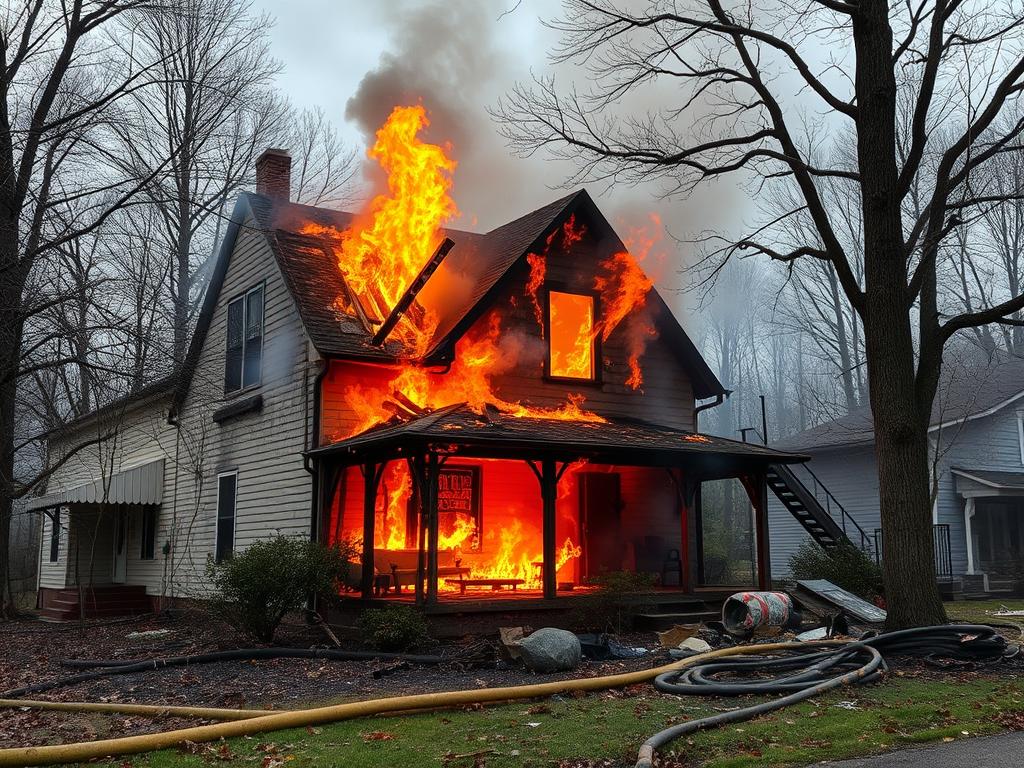
Experiencing a residential blaze ranks among life’s most devastating events. The emotional impact can linger long after the flames are extinguished. Homeowners face overwhelming challenges while coping with loss and shock.
These incidents can stem from various sources like candles, faulty wiring, or cooking accidents. The destruction extends beyond visible burns to include smoke, soot, and water damage from emergency response efforts.
During this critical period, families must balance multiple urgent priorities. Ensuring safety, dealing with insurance providers, and arranging temporary living situations become immediate concerns.
Having a preparedness plan before disaster strikes proves essential. Maintaining updated documentation of possessions through services like HomeContentsListPro.com can make a significant difference. One major challenge homeowners encounter is proving their losses to insurance companies without proper records.
This guide walks you through essential steps following a residential incident. We cover everything from immediate safety to long-term recovery processes. While each situation varies, these best practices provide a solid foundation for navigating the difficult journey ahead.
Ensuring Family Safety and Securing Temporary Housing
Your immediate focus must be on the well-being of your loved ones. Confirm that all family members and pets are safe and accounted for before anything else. Property concerns should wait.
Never attempt to go back inside the structure until the fire department officially declares it safe. Hidden dangers are common. These hazards include toxic fumes, structural weaknesses, and electrical risks in standing water.
Contact your insurance agent right away. Most policies cover costs for temporary lodging and meals. This helps secure a safe place for your family to stay.
Many organizations offer vital help. The American Red Cross, Salvation Army, and local agencies provide support. They assist with immediate needs and recovery resources.
Remember to care for everyone’s health. Children may need extra emotional support. Also, schedule a veterinary check for pets, as smoke can harm their lungs.
Navigating Insurance and Home Inventory After House Fire
A critical financial question faces every homeowner following a major property loss. Could you prove everything you owned to your insurance company for a full claim?
Contact your insurance agent immediately to start the claims process. This step unlocks vital support. Your policy often provides coverage for temporary living costs.
Many people struggle to recall all their items after a devastating event. This memory gap can lead to significant financial loss. Without proof, you cannot claim compensation for forgotten property.
A detailed home inventory is your most powerful tool. It should list all possessions with photos and receipts. This documentation streamlines the entire insurance process.
Creating a comprehensive list before any incident is crucial. Services like HomeContentsListPro.com help you build this essential record. Protect your financial future by acting now, not after it is too late.
Effective Cleanup, Restoration, and Safety Tips
Professional restoration services become essential when dealing with the complex aftermath of property damage. The cleanup process involves serious health hazards that require expert handling.
Toxic chemicals, ash, and soot pose significant risks to your health. Fine particles can penetrate deep into lungs, causing respiratory issues. These materials may aggravate asthma and create breathing difficulties.
Proper protective gear is mandatory for anyone entering affected areas. Wear steel-toed shoes, N95 masks, gloves, and goggles. Long-sleeved shirts and pants prevent skin contact with hazardous substances.
Wet ash presents particular dangers as it can cause chemical burns. Change clothing and shoes before leaving contaminated zones. This prevents tracking dangerous materials to other locations.
Children and pets should never be present during cleanup operations. Their developing respiratory systems are especially vulnerable to airborne particles. Keep them away from all affected areas.
Water and food safety require immediate attention. Use bottled water until professional testing confirms safety. Discard all exposed food items, as reheating cannot remove contamination.
Firefighters may have cut holes in walls for ventilation. This necessary structural damage adds complexity to restoration. Patience is crucial throughout this comprehensive process.
Documenting Damaged Property and Organizing Recovery
Systematic organization separates successful recovery efforts from prolonged struggles. Begin by obtaining the official fire report from your local department. This document provides crucial information about the incident’s cause and circumstances.
When authorities declare the structure safe, photograph all affected areas thoroughly. Capture images of every room and individual items. This visual evidence becomes essential for your insurance claim process.
Never discard anything before your insurer completes their inspection. Policies typically require adjusters to evaluate which possessions can undergo professional cleaning. Their assessment determines what requires replacement versus restoration.
Locate essential documents like birth certificates and passports if they survived. Create a list of missing paperwork needing replacement through government agencies. Financial matters demand immediate attention too.
Replace destroyed credit cards and maintain payment records for mortgages. Keep detailed receipts for all recovery-related expenses. These steps protect your financial stability during this challenging period.
During initial re-entry, open windows to ventilate smoke odors. Limit movement to prevent soot particles from embedding deeper into fabrics. Place clean towels on high-traffic carpet areas.
Discard all food items exposed to heat, smoke, or extinguishing chemicals. Empty refrigerators and freezers if power remains off. Avoid using appliances until professionals complete safety inspections.
Remember that destruction extends beyond visible burns. Water damage from firefighting efforts can lead to mold growth in porous materials. Smoke particles contaminate areas untouched by flames.
Wildfire situations present additional complexities with widespread community impact. Coordinate with local authorities regarding utility systems and infrastructure repairs. Multiple property damage often requires extended recovery timelines.
Conclusion
When disaster strikes your home, preparation becomes your most valuable asset. A house fire or wildfire is a profoundly stressful event. The recovery journey requires immense patience.
This guide has outlined key steps: ensuring family safety, contacting your insurance provider, and managing the restoration process. Repairs and emotional healing take considerable time.
Every situation is unique. Seek additional help if your family struggles with the aftermath. Professional support can make a significant difference.
The most critical step for all homeowners is creating a complete home inventory now. Document your items before any property loss occurs. This simple action protects your financial future.
Visit HomeContentsListPro.com today to safeguard your belongings. This small investment of care can prevent immense financial loss later. Families can and do rebuild with proper preparation and support.