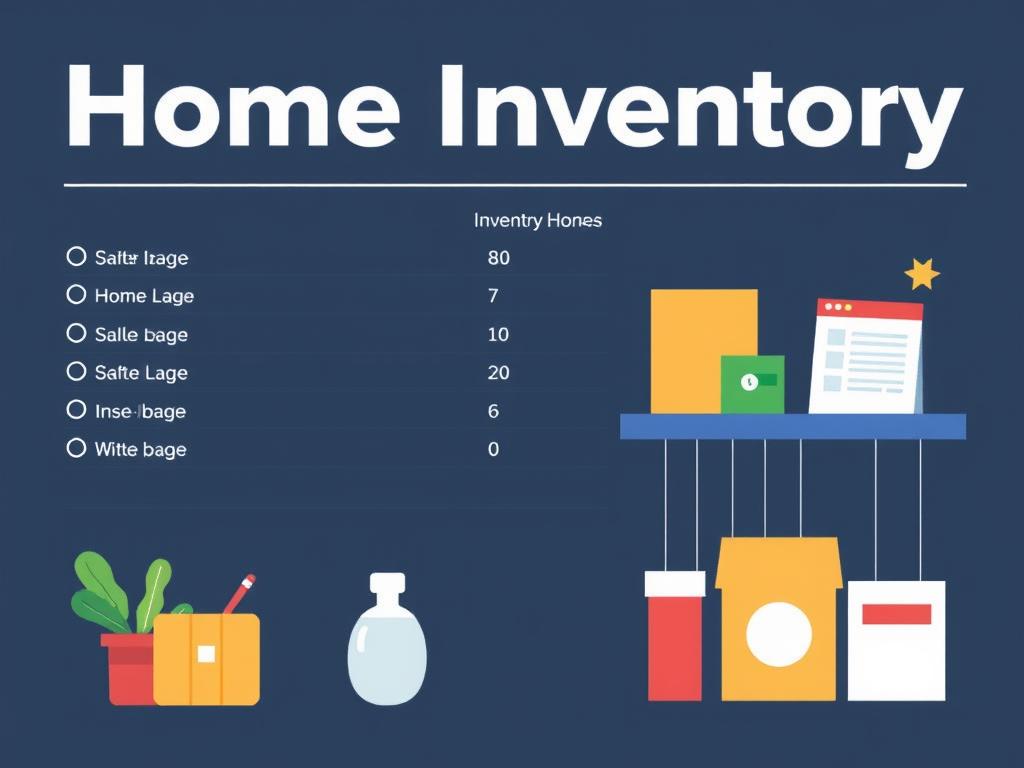
If a disaster destroyed your property tomorrow, could you prove what you owned?
Many people assume their coverage will automatically replace everything. The reality is much different. Providers cannot reimburse what you cannot prove. In fact, about 5-6% of all property claims get fully denied due to poor documentation.
A complete list of your belongings is your financial safety net. It turns a potential nightmare into a manageable process. Having this documentation ready can make the claims process up to 100% faster.
A simple spreadsheet is an easy, powerful solution. You don’t need complex software. A universal format works across many programs, making it accessible for everyone.
This guide will show you how to get started. You will learn to create a thorough list, incorporate photos, and ensure you are fully prepared. Visit https://homecontentslistpro.com for comprehensive tools to protect your assets today.
Understanding the Importance of a Home Inventory for Insurance Claims
The belief that major catastrophes only happen to others is a common and costly misconception. Fires, floods, and theft occur regularly, making proactive preparation essential.
Fire damage accounts for 23% of all property claim expenses in the United States. This statistic highlights how frequently homeowners need to file claims and provide proof of their possessions.
Your documentation serves as the critical link between experiencing a loss and receiving proper compensation. Providers can only reimburse what you can definitively prove you owned and its value.
Attempting to recall every item from memory after a disaster is nearly impossible. Most people cannot remember purchase prices, conditions, or replacement values without prior records.
Shockingly, only 47% of property owners prepare a list before filing a claim. This leaves the majority facing significant challenges during an already stressful time.
Protecting your assets should be a proactive management process. Investing a small amount of effort now provides invaluable peace of mind and financial security for your family.
Using insurance home inventory template csv for Seamless Documentation
Universal file compatibility ensures your important records are never locked into a single program or device. This flexibility is a key benefit of using a standardized format for your asset list.
Quality documentation tools come pre-built with essential columns. These include item name, purchase date, serial number, and estimated value. This structure saves you from creating a framework from scratch.
You can open these files in Google Sheets for easy cloud access. They also work in Microsoft Excel and various mobile apps. This allows for updates from any location.
A good starting point includes common room categories and sample entries. This provides practical examples to guide your documentation process. You can sort your list by location or type of item.
Cloud-based options like Google Sheets offer automatic saving. They also allow for easy sharing and version tracking. This keeps your records secure and up-to-date over time.
Step-by-Step Guide to Creating Your Own Home Inventory
A methodical approach to cataloging your belongings ensures nothing gets overlooked. Begin by selecting one area and moving systematically through each space. This prevents missing locations or duplicating entries.
Record detailed information for every possession. Include brand names, model identifiers, and unique identification codes. These details help establish exact replacement costs.
Document the acquisition date and current state for each piece. This information becomes crucial for calculating depreciation values. Pay special attention to high-value electronics and tools.
Store purchase records alongside your digital record whenever possible. These documents provide definitive proof of ownership and original cost. Maintain both electronic and printed versions of your complete catalog.
Share copies with trusted relatives who live elsewhere. Establish a routine for updating your records quarterly or after major acquisitions. This keeps your documentation current and accurate over time.
Incorporating Visual Evidence: Photos and Videos of Your Belongings
A picture is worth a thousand words, and in the context of documenting your possessions, it could be worth thousands of dollars. Visual proof provides concrete evidence of what you owned, its condition, and its exact spot before any loss.
Start by taking clear, well-lit photos of individual items. Focus on valuable belongings like electronics and equipment. Capture multiple angles to show brand labels, model numbers, and overall condition.
Don’t forget to photograph inside dressers, closets, and cabinets. These hidden items hold substantial cumulative value. A thorough visual record leaves no room for doubt.
Create a video walkthrough of each room. Start on one side and move systematically to the other. Narrate as you go, pointing out key items and their approximate value.
This video documentation is not redundant. Multiple visual sources create a stronger claim. They capture the full scope of your assets in a way photos alone might miss.
Modern tools like Google Sheets let you embed images directly into your spreadsheet. Store all photos, videos, and your digital list on a flash drive. Keep a copy in a safe location away from your primary residence for maximum security.
Enhancing Your Insurance Policy with a Comprehensive Home Inventory
Your coverage is only as strong as the proof you can provide when disaster strikes. A complete asset list turns basic protection into robust security. This documentation ensures maximum compensation during claims.
Standard policies typically cover belongings at their depreciated value. You need a special endorsement for replacement cost coverage. Accurate value tracking is essential for understanding your true protection.
Always be honest when recording purchase prices and conditions. Inflating values can lead to claim disputes or policy cancellation. Transparency builds trust with your provider.
Keep receipts for expensive items like electronics and jewelry. These documents help verify purchase prices. They establish appropriate replacement values during the assessment process.
Store digital copies in cloud apps and physical copies in safe locations. Share your list with family members living elsewhere. This creates redundant backups that survive any disaster.
Professionals process claims much faster with organized documentation. This reduces stressful waiting times for compensation. A few hours of work now provides years of peace of mind.
Begin this important management task today rather than postponing. Proper preparation saves thousands of dollars in proper compensation. Visit https://homecontentslistpro.com for comprehensive tools to protect your assets.
Conclusion
Many people underestimate the cumulative worth of their everyday belongings until they’re forced to replace everything at once. Picture trying to recall every coffee mug, charger, and camera from memory after a break-in or flood. This stressful scenario often results in forgotten items and reduced compensation.
Your daily-used possessions represent significant financial value. Couches, electronics, jewelry, and clothing add up to tens of thousands of dollars. Proper documentation ensures you receive appropriate reimbursement when needed most.
Investing a few hours now with simple tools prevents overwhelming stress later. Organized records make the claims process faster and smoother. Without this preparation, homeowners risk delays and reduced settlements.
Don’t wait for disaster to strike unprepared. Begin your asset management today for lasting peace of mind. Visit https://homecontentslistpro.com for comprehensive tools to protect what matters most.